Updated: 2026.1.14
Japan is often described as one of the easiest countries in Asia for foreigners to purchase real estate.
Legally speaking, this is true.
Foreign nationals--regardless of citizenship, residency status, or visa--may purchase land and buildings in Japan with full ownership rights. There are no nationality-based restrictions on property ownership.
However, in practice, the single most common cause of failed or delayed transactions for overseas buyers is the transfer of funds from abroad to Japan.
Unlike some countries, Japanese real estate transactions are:
・Strictly deadline-driven
・Based on same-day settlement rules
・Closely monitored by banks for anti-money-laundering (AML) compliance
As a result, even buyers with sufficient funds may face serious problems if remittance planning is not done correctly from the very beginning.
This guide focuses on the real-world mechanics of purchasing property in Japan as a non-resident, with particular emphasis on:
・Where your money must be sent
・When it must arrive
・Why some transfers fail
・Why "cash purchases" are often riskier than they appear
Yes. There are no legal restrictions.
Foreign buyers may freely acquire:
・Land
・Detached houses
・Condominiums
・Investment properties
Ownership is freehold, not leasehold.
The only formal requirement is a post-purchase notification to the Bank of Japan within 20 days. This is a reporting obligation only and does not require approval.
Important clarifications:
・Purchasing property does not grant residency or a visa
・Mortgage financing is generally difficult without Japanese permanent residency
・Most overseas buyers purchase in cash or with overseas financing
Understanding the payment flow is essential.
A typical resale property transaction proceeds as follows:
1.Property selection and negotiation
2.Submission of a Letter of Intent (LOI)
3.Seller acceptance
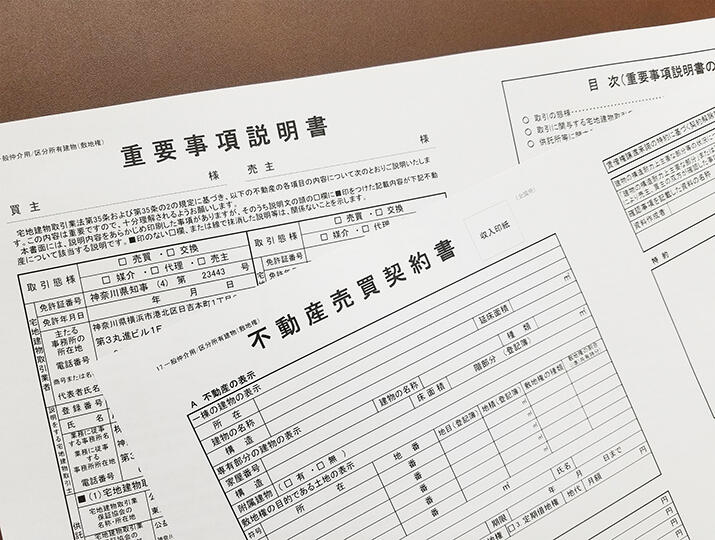
4.Explanation of Important Matters (statutory disclosure)
5.Execution of the Purchase Agreement and payment of earnest money
6.Remittance of the remaining balance before settlement
7.Settlement (ownership transfer, mortgage release, key handover)
The most important stages are Steps 5 and 7, both of which involve strict payment deadlines.
Earnest Money (Deposit)
・Typically 5-10% of the purchase price
・Paid at contract signing
・Generally non-refundable if the buyer cancels for personal reasons
For overseas buyers, this means:
Funds must already be received in Japan before the contract date.
Same-day international transfers are not accepted.
・Paid on the settlement date
・Must be confirmed before ownership transfer and key handover
・Same-day arrival from overseas is not possible
Failure to deliver cleared funds on settlement day can result in:
・Contract termination
・Loss of deposit
・Legal liability
If the seller has an outstanding mortgage, the property is subject to a registered mortgage lien.
In these cases:
The balance payment must be remitted directly to the bank holding the mortgage.
This is not negotiable.
The reason is simple:
The mortgage must be discharged simultaneously with the payment and ownership transfer.
・Major banks
・Internet banks
・Regional banks (very common outside Tokyo)
The buyer cannot choose an alternative account, even with the seller's consent.

Many overseas buyers assume that international bank transfers are universally possible.
In practice, this assumption is often incorrect.
Common obstacles include:
・Overseas banks refusing transfers to Japanese regional banks
・Internet banks not appearing as selectable SWIFT recipients
・Per-transfer limits below the required amount
・AML restrictions blocking real estate-related transfers
This is especially common when the recipient is:
・A regional Japanese bank
・An online-only Japanese bank
As a result, buyers may find themselves unable to send funds directly to the required settlement account, even if they have ample funds.
To address these limitations, many overseas buyers use international remittance services such as Wise.
・Funds are delivered to Japanese banks as domestic transfers
・Compatible with major, regional, and online banks
・Transparent exchange rates・Clear transaction tracking
In practice, the flow becomes:
Overseas account → Wise → Designated Japanese bank account
This often enables settlement even when direct overseas transfers are impossible.
Using Wise does not reduce compliance scrutiny.
Japanese banks will still require:
✔Clear explanation of the source of funds
✔Accurate remittance purpose (e.g., "Real Estate Purchase - Balance Payment")
✔Supporting contracts and documents
Wise is a tool, not a compliance exemption.
These rules cannot be overstated.
・Initiate remittance 5-7 business days before contract signing
・Funds must be received before the contract date
・Initiate remittance 7-10 business days before settlement
・Do not assume same-day or next-day arrival
Public holidays, time zone differences, and compliance reviews can all cause delays.
Many overseas buyers believe that paying in cash simplifies the process.
In Japan, the opposite is often true.
Amounts exceeding JPY 1,000,000 must be declared at customs
Banks will require explanation of origin upon deposit
Large cash deposits often trigger compliance reviews
Even legally imported cash may not be accepted for real estate settlement.
This is strongly discouraged.
Risks include:
・Gift tax exposure
・Suspicion of nominee arrangements
・AML concerns
・Banks refusing to recognize the funds as purchase money
Even temporary use of a third party's account can jeopardize the transaction.
Japanese real estate transactions involve:
・High transaction values
・Legal finality at settlement
・National AML enforcement
Banks, real estate agents, and judicial scriveners are all legally responsible for ensuring that:
・Funds are legitimate
・The payer is the buyer
・The transaction purpose is clear
If inconsistencies are discovered, settlement can be halted--even at the last minute.
To complete a Japanese property purchase safely:
・Confirm early whether the property has a mortgage
・Verify which bank must receive funds
・Test remittance routes before signing contracts
・Allow sufficient lead time for transfers
・Avoid cash and third-party accounts
・Work with agents experienced in foreign transactions
When properly planned, purchasing property in Japan is secure, transparent, and legally robust--even for overseas buyers.
Most problems faced by foreign buyers in Japan are not legal issues, but logistical and financial misunderstandings.
Proper remittance planning from the outset is the difference between:
・A smooth, professional transaction
・And a failed settlement with serious financial consequences
This guide is intended to ensure you experience the former.
International remittance to Japan for real estate purchases depends on many interrelated factors, and no single guide can cover all possible situations.
These factors may include, but are not limited to:
・The buyer's existing banking relationship and transaction history
・The recipient bank in Japan (major bank, regional bank, or online bank)
・The total remittance amount
・The type of property being purchased (residential, villa, investment property, etc.)
・The buyer's personal status and background
・The buyer's nationality and country of residence
(as some countries impose specific remittance restrictions or regulatory controls)
Because of these variables, not all information in this article may apply to every individual case.
In addition, regulations, compliance standards, and banking policies related to international remittance, anti-money-laundering (AML), and foreign exchange controls change frequently and may differ by country, bank, and timing.
For this reason, it is essential that buyers:
・Confirm remittance feasibility in advance with their own bank
・Verify acceptance requirements with the recipient bank in Japan
・Consult with their real estate broker and other professionals involved in the transaction
Advance confirmation is critical to avoid delays, rejected transfers, or failed settlements.
This article is intended as a general practical guide, not as a guarantee or substitute for professional, case-specific confirmation.
With proven experience in high-value transactions, VILLA Group International supports
international buyers purchasing residential, resort, and income-producing properties.
Let us support your property purchase in Japan and Vietnam with clarity and confidence.
Updated: 2026.1. 9

Introduction
When purchasing real estate in Japan, foreign buyers--especially Americans--encounter a document that has no direct equivalent in the United States:
the Explanation of Important Matters (重要事項説明書, Jūyō Jikō Setsumeisho).
This document plays a role that, in some respects, overlaps with what inspections and due diligence accomplish in U.S. transactions--but it is fundamentally different in structure and timing.
Under Japanese law, buyers must receive, review, and be fully explained this document before signing a legally binding purchase contract.
The explanation is not optional and must be conducted by a nationally licensed professional.
1. What Is the Explanation of Important Matters?
The Explanation of Important Matters is a legally mandated disclosure document prepared by the seller's real estate brokerage under the Real Estate Transaction Business Act.
Its purpose is to ensure that buyers receive all material legal, physical, and regulatory information necessary to make an informed decision before entering into a binding contract.
Importantly, the investigation and explanation of this document must be carried out by a licensed Real Estate Transaction Agent, a nationally certified professional.
Key Characteristics
Detailed written document, often 20-100 pages
Must be delivered and explained verbally
Explanation must be conducted by a licensed Real Estate Transaction Agent
Must take place before execution of the Sale and Purchase Agreement
2. Why This Document Exists
In Japan, canceling a real estate contract after signing is difficult and often costly.
For this reason, Japanese law emphasizes pre-contract investigation and disclosure, rather than post-contract remedies.
The Explanation of Important Matters exists to shift all critical decision-making before commitment, not after.
Legal Philosophy
"Informed consent before commitment."
3. How This Differs from U.S. Real Estate Transactions
In the United States, inspections and due diligence are typically conducted after contract execution, during contingency periods.
Buyers may withdraw based on inspection results or financing issues.
In Japan, by contrast, these investigations and disclosures are completed before the contract is signed, through the Explanation of Important Matters.
Comparison Summary
|
United States |
Japan |
|
Sign first, investigate after |
Investigate first, sign after |
|
Multiple disclosure & inspection documents |
One comprehensive disclosure document |
|
Broad post-contract contingencies |
Limited post-contract exit |
|
Buyer-driven inspections |
Agent-driven, legally mandated disclosure |
4. What the Explanation of Important Matters Covers
The document covers many matters that U.S. buyers would normally expect to review during inspections, title review, or due diligence.
Major Categories|
Legal title and registration
Land boundaries and easements
Zoning and building restrictions
Utilities and infrastructure
Condominium management matters
Financing and contract terms
Property condition and risk factors
Environmental and neighborhood issues
5. Important Points to Confirm
Buyers should carefully confirm both property-related matters and contract-related conditions, including costs beyond the purchase price, cancellation terms, and allocation of risk.
6. Practical Advice for Foreign Buyers
Request the document in advance
Reviewing the document only on the contract day is risky. Always request a copy in advance.
Ask for a revised document if changes occur
If contract terms change, the Explanation of Important Matters must be reissued.
Sign only when fully satisfied
Once signed, withdrawal is difficult. Sign only when all explanations are fully understood.
7. Final Takeaway
The Explanation of Important Matters is the foundation of buyer protection in Japanese real estate transactions.
For American buyers, understanding this document is key to:
Avoiding misunderstandings
Making informed decisions
Entering the transaction with confidence
In Japan, the rule is simple:
Know everything first. Sign only after.
<Explanation of Important Matters Key Items for Land and Building Sale in Japan>
1. Transaction Type
取引態様(とりひきたいよう)
This item explains the role of the real estate company in the transaction.
It shows whether the company represents the seller, the buyer, or acts as an intermediary.
This is important because it affects who the agent owes duties to.
2. Purchase Price and Payment Terms
売買代金・支払条件
This section explains the total purchase price, the deposit amount, and when and how payments must be made.
It also explains how taxes and fees are settled at closing.
3. Deposit (Earnest Money)
手付金(てつけきん)
The deposit is money paid when signing the contract.
In Japan, it often works as a "cancellation deposit," meaning the buyer may cancel by forfeiting it within a limited period.
4. Contract Cancellation
契約解除(けいやくかいじょ)
This item explains under what conditions the contract can be canceled.
After signing, cancellation is limited and may involve penalties.
5. Damages and Penalties
損害賠償・違約金
This section explains the financial penalties if either party breaks the contract.
It sets limits on how much compensation may be claimed.
6. Contract Non-Conformity Liability
契約不適合責任(旧・瑕疵担保責任)
This explains whether the seller is responsible if the property does not match the contract description.
In many resale cases, the seller's responsibility is limited or excluded.
7. Property Identification (Registry Information)
物件の表示(登記情報)
This confirms the legal identity of the land and building based on official registration records.
It ensures the buyer is purchasing the correct property.
8. Ownership Rights
所有権(しょゆうけん)
This explains who legally owns the property and when ownership will transfer to the buyer.
In Japan, ownership transfers after full payment and registration.
9. Mortgages and Liens
抵当権・担保権
This shows whether there are mortgages or other claims on the property.
Any existing mortgage must usually be removed before closing.
10. Relationship Between Land and Building
土地と建物の関係
In Japan, land and buildings are legally separate assets.
This section explains whether the buyer is purchasing both or only the building.
11. Land Area and Boundaries
土地面積・境界
This explains how the land area was measured and whether boundaries with neighbors are confirmed.
Unclear boundaries may cause future problems.
12. Roads and Access
接道状況(せつどう)
This item explains whether the land is legally connected to a road.
Without proper road access, rebuilding may not be allowed.
13. Zoning (City Planning Law)
用途地域・都市計画
This explains what types of buildings and uses are allowed.
Zoning rules limit how the property can be used or rebuilt.
14. Building Restrictions
建築制限(けんぺい率・容積率など)
This shows limits on building size, height, and volume.
These rules affect renovations and rebuilding plans.
15. Other Legal Restrictions
その他の法令制限
This section lists other laws that may restrict use, such as farmland rules, disaster regulations, or scenic protection laws.
16. Land Shape and Topography
土地の形状・高低差
This explains the shape, slope, and level differences of the land.
Steep land or retaining walls may increase construction risk and cost.
17. Building Overview
建物の概要
This item explains the building's age, structure, and construction type.
Older buildings may have fewer legal protections.
18. Building Confirmation and Inspection
建築確認・検査済証
This explains whether the building was legally approved and inspected.
Missing documents may limit rebuilding or financing.
19. Building Condition
建物の状態
This describes known defects such as leaks, termites, or aging.
Buyers should review this carefully, especially for resale properties.
20. Utilities
インフラ(上下水・電気・ガス)
This explains water, sewer, gas, and electricity connections.
Private systems may require extra maintenance or cost.
21. Condominium Ownership (If Applicable)
区分所有(マンション)
This explains private units, common areas, and shared land rights.
Condominium ownership involves shared responsibilities.
22. Condominium Management
管理体制
This explains how the building is managed and who manages it.
Good management is important for long-term value.
23. Management Fees and Reserve Funds
管理費・修繕積立金
This explains monthly fees and savings for future repairs.
These are ongoing costs for condominium owners.
24. Major Repairs
大規模修繕
This explains past and planned large-scale repairs.
Unexpected repairs may require extra payments.
25. Environment and Neighborhood
周辺環境
This explains nearby facilities, noise, odors, and future development plans.
These factors affect comfort and value.
26. Psychological Factors
心理的瑕疵
This discloses deaths, accidents, or other sensitive matters.
Such factors may affect personal comfort and resale value.
27. As-Is Delivery
現状有姿引渡し
This means the buyer accepts the property in its current condition.
After closing, the seller usually has no repair obligation.
28. Handover Conditions
引渡条件
This explains when and how the property will be handed over, including vacant status and remaining items.
29. Foreign Buyer Matters
外国人買主関連事項
This covers foreign exchange reporting, tax agents, and overseas remittance issues specific to non-residents.
30. Special Clauses
特約条項
This lists any special agreements between buyer and seller that differ from standard terms.
31. Explanation by Licensed Agent
宅地建物取引士による説明
A licensed agent must explain all important matters and show their license.
This ensures legal compliance.
32. Buyer Acknowledgment
買主確認
The buyer confirms that all important matters were explained and understood before signing.
IMG Official Note to Foreign Buyers
IMG does not expect foreign buyers to understand Japanese real estate documents alone.
We provide English summaries, visual explanations, and interpretation support to help you make informed decisions.
Updated: 2026.1. 9
1. Big Picture
The fundamental difference between U.S. and Japanese real estate transactions lies in how transaction safety is ensured.
This difference explains why escrow systems and transaction documents differ between the two countries.
2. U.S. System (Escrow-Based)
In the United States, the Sale and Purchase Agreement (SPA) is the core contract, and the transaction is managed through escrow.
3. Japanese System (Disclosure-Based)
Japan does not have a comprehensive escrow system like the U.S.
Instead, Japan adopts a system where all material information must be disclosed and explained before signing the contract.
Before execution, buyers receive and review:
All disclosures are completed before contract execution.
4. Agent Receipt vs. Escrow
In Japan, judicial scriveners or brokerages may temporarily receive purchase funds at closing.
This is a practical measure to ensure safe settlement and differs from U.S. escrow in that:
5. Side-by-Side Summary
|
Item |
United States |
Japan |
|
How Transaction Safety Is Ensured |
Escrow |
Pre-contract disclosure and explanation |
|
Core Documents |
SPA (Sale and Purchase Agreement) |
Disclosure documents + Sale and Purchase Agreement |
|
Timing of Disclosure |
After contract execution |
Before contract execution |
|
Post-Contract Cancellation |
Possible, subject to conditions |
Generally not permitted |
|
Volume of Documents |
Relatively limited |
Extensive and detailed |
6. Key Message to Buyers
In Japan, it is essential that buyers fully understand and agree to all details before signing the contract.
This pre-contract disclosure system functions as Japan's alternative to escrow.
While escrow ensures transaction safety in the United States, Japan secures transaction safety through mandatory disclosure and explanation before contract execution.
Contact Us for Direct Acquisition Solutions
We also have numerous off-market properties not listed on our website. If you let us know your desired conditions (area, budget, etc.), we will propose the most suitable properties for you from our latest listings. Please feel free to contact us first!
VILLA IMG
Hotline: +81-98-869-3575
Email: infovilla@villa-realty.com
(Language: Japanese, English, Vietnamese)
Updated: 2026.1. 9
【Escrow in the United States vs. Japanい】
1. Summary Conclusion
2. U.S. Escrow System|Role of Escrow
3. Japanese Real Estate Transaction System|Legal Philosophy
4. Agent Receipt of Funds in Japan
5. Key Differences

1. Summary Conclusion
Japan does not have a comprehensive escrow system like the United States, where an independent third party manages both funds and contractual conditions throughout the transaction period.
However, in practice, real estate brokerages or judicial scriveners in Japan may temporarily receive purchase funds as an agent at closing.
This is a limited, practical arrangement to ensure safe settlement and is fundamentally different from U.S.-style escrow.
2. U.S. Escrow System
Role of Escrow
In the United States, escrow is the core mechanism of a real estate transaction.
An independent third party--such as an escrow or title company--manages funds and contractual conditions on behalf of both buyer and seller until closing.
Key Features
・Condition control: inspection, loan approval, title review, etc.
・Fund management: purchase funds are deposited into an escrow account
・Neutrality: escrow does not belong to either party
・Failure of conditions: automatic refund or contract cancellation if conditions are not met
"Escrow is the transaction itself."
Without escrow functioning properly, the transaction cannot close.
3. Japanese Real Estate Transaction System
Legal Philosophy
Japanese real estate transactions are structured under the Real Estate Transaction Business Act,
with a strong emphasis on extensive disclosure before contract execution, rather than post-contract escrow control.
Explanation of Important Matters
・Detailed explanation of the property, rights, legal restrictions, and risks before signing
・Explanation by a licensed real estate transaction agent is legally required
・Buyers are expected to fully understand and evaluate the transaction prior to contract execution
4. Agent Receipt of Funds in Japan
In some cases, real estate brokerages temporarily receive deposits or purchase funds,
mainly for practical convenience in foreign or remote transactions.
Important Notes
・No authority to control or judge contractual conditions
・Does not provide the neutral decision-making function of U.S. escrow
② The most common arrangement in Japan is temporary fund receipt by a judicial scrivener (Shiho-shoshi) at closing.
Buyer transfers funds to the scrivener's managed account
The scrivener verifies:
Authenticity of registration documents
Identity of the parties
Possibility of mortgage release
5. Key Differences
|
Item |
United States |
Japan |
|
Managing Entity |
Independent escrow company |
Real estate brokerage / Judicial scrivener |
|
Management Period |
Several weeks to several months |
Closing day only |
|
Contract Condition Management |
Yes |
No |
|
Decision on Cancellation / Refund |
Escrow institution |
Determined between the parties |
|
Legal Positioning |
Core part of the legal system |
Practical business practice |
6. Common Misunderstandings
When people say that "escrow exists in Japan," they are usually referring to agent receipt of funds.
This should not be understood as a substitute for U.S.-style escrow.
While Japan does not have a comprehensive escrow system that governs the entire transaction as in the United States,
real estate transactions in Japan may involve the temporary receipt of purchase funds by brokerages or judicial scriveners in order to ensure a safe and secure settlement at closing.
Agent receipt in Japan is a procedural safeguard at closing, not a mechanism that controls or replaces the transaction itself.
Contact Us for Direct Acquisition Solutions
We also have numerous off-market properties not listed on our website. If you let us know your desired conditions (area, budget, etc.), we will propose the most suitable properties for you from our latest listings. Please feel free to contact us first!
VILLA IMG
Hotline: +81-98-869-3575
Email: infovilla@villa-realty.com
(Language: Japanese, English, Vietnamese)
Updated: 2026.1. 9
[Real Estate Purchase Process in Japan for Foreign Buyers]
1. Eligibility Check
2. Property Search & Requirements
3. Purchase Application (Letter of Intent)
4.Price Negotiation
5.Agreement in Principle
6.Scheduling of Contract Date
7. Explanation of Important Matters (Before Contract)
8. Sale and Purchase Agreement (SPA)
9. Closing & Settlement (Same-Day Settlement)
10. Real Estate Acquisition Tax (After Purchase)
11. Remittance of Purchase Funds (Non-Resident Foreign Buyer)
12. Annual Fixed Asset Tax & Tax Agent
13. Key Message to Foreign Buyers
※What Is the Taxable Assessed Value in Japan?
1. Eligibility Check
In principle, foreign nationals may purchase land and buildings in Japan regardless of nationality or residency status.
Certain properties, such as agricultural land or restricted areas, may be subject to additional regulations.
2. Property Search & Requirements
Buyers search for properties through a real estate brokerage and clarify the intended use (residential, investment, or second home).
Working with a brokerage experienced in foreign transactions is recommended.
3. Purchase Application (Letter of Intent)
The buyer submits a Purchase Application (Letter of Intent) stating the proposed purchase price, preferred closing date, and basic conditions.
This document is non-binding and serves as the basis for negotiation.
Indicative Timeframe:1 day to several days
4.Price Negotiation
The Buyer and Seller negotiate the price and conditions, usually with broker assistance.
Indicative Timeframe: Several days to 1 week
5.Agreement in Principle
Once the Seller agrees to the main terms, an agreement in principle is reached, but no binding contract exists yet.
Indicative Timeframe: Within approximately 2 weeks from the Purchase Offer
6.Scheduling of Contract Date
After agreement in principle, the contract date is scheduled and legal documents are prepared.
Indicative Timeframe: Several days to 1 week after agreement
7. Explanation of Important Matters (Before Contract)
Before executing the Sale and Purchase Agreement, the buyer receives the legally required Explanation of Important Matters, which explains ownership, legal restrictions, utilities, management rules, and risks.
For foreign buyers, an English summary is usually provided as a reference.
8. Sale and Purchase Agreement (SPA)
The buyer signs the SPA and pays a deposit, typically 5-10% of the purchase price.
After execution, unilateral cancellation by the buyer is generally not permitted.
9. Closing & Settlement (Same-Day Settlement)
(1) Prorated Settlement at Closing
At closing, the following expenses are prorated and settled between buyer and seller:
・Fixed Asset Tax and City Planning Tax
・Electricity, water, gas (if applicable)
・For condominiums:
Proration is usually calculated on a daily basis, with the seller bearing costs up to the day before closing and the buyer from the closing date onward.
(2) Ownership Transfer Registration
A judicial scrivener(Shiho-shoshi) handles the ownership transfer registration.
Registration is filed immediately after settlement, and ownership legally transfers to the buyer.
(3) Buyer's Closing Costs (Typical Calculation)
10. Real Estate Acquisition Tax (After Purchase)
Real Estate Acquisition Tax is imposed after purchase.
Tax notices are issued by the prefectural government, usually 3-6 months after registration.
Calculation (Typical)
Tax = Assessed value × 3% (reduced rate may apply)
Filing & Payment
11. Remittance of Purchase Funds (Non-Resident Foreign Buyer)
Foreign buyers without Japanese residency, spouse visa, or Japanese bank accounts may remit funds via:
Source of funds documentation is usually required.
12. Annual Fixed Asset Tax & Tax Agent
Property owners must pay Fixed Asset Tax annually.
Non-resident owners must appoint a Tax Payment Agent in Japan to receive tax notices and make payments.
13. Key Message to Foreign Buyers
In Japan, buyers are expected to understand costs, taxes, and obligations before closing, and to prepare post-purchase tax and payment arrangements in advance.
※What Is the Taxable Assessed Value in Japan?
1. What Is the Taxable Assessed Value?
In Japan, property-related taxes are not calculated based on the purchase price.
Instead, taxes are calculated using a Taxable Assessed Value, which is determined by the local government.
The taxable assessed value is a government-assessed value used exclusively for tax purposes.
2. Fixed Asset Tax Assessed Value vs. Purchase Price
The Fixed Asset Tax Assessed Value is usually lower than the actual purchase price.
As a general reference:
Therefore, even if a property is purchased at a high price, taxes may be calculated on a lower assessed value.
3. Who Determines the Assessed Value?
The assessed value is determined by the municipal government (city, ward, or town) where the property is located.
The valuation is conducted by municipal tax authorities based on national valuation standards.
4. How Is the Assessed Value Calculated?
(1) Land
Land is assessed based on official land price standards, location, road access, zoning, and usage.
The assessment reflects standardized land values rather than individual transaction prices.
(2) Building
Buildings are assessed based on construction cost standards, structure, materials, size, age, and depreciation.
Older buildings generally have lower assessed values due to depreciation.
5. How Often Is the Assessed Value Updated?
Fixed Asset Tax Assessed Values are reviewed every three years under Japan's reassessment system.
Market fluctuations between reassessment years do not immediately affect the assessed value.
6. Relationship to Real Estate Acquisition Tax
Real Estate Acquisition Tax is calculated based on the assessed value, not the purchase price.
Tax = Assessed value × applicable tax rate
(typically 3%, subject to reductions)
7. Key Message for Foreign Buyers
In Japan, taxes are calculated based on government-assessed values, not market prices.
Understanding this system helps buyers accurately estimate taxes and avoid confusion after purchase.
Contact Us for Direct Acquisition Solutions
We also have numerous off-market properties not listed on our website. If you let us know your desired conditions (area, budget, etc.), we will propose the most suitable properties for you from our latest listings. Please feel free to contact us first!
VILLA IMG
Hotline: +81-98-869-3575
Email: infovilla@villa-realty.com
(Language: Japanese, English, Vietnamese)
Updated: 2026.1. 4

In July 2025, local newspapers such as Ryukyu Shimpo and Okinawa Times reported a key trend shaking up the real estate market in Okinawa: a slowdown in property sales due to prolonged high prices.
According to the reports, residential properties--particularly secondhand homes and high-end listings--are taking longer to sell, and inquiries have decreased significantly. The market is showing signs of a slowdown, or "inventory stagnation."
In this article, we'll explore why property prices in Okinawa have surged so dramatically, what's causing this recent slowdown, forecast future trends, and share tips for buyers, sellers, and investors looking to make smart decisions in 2025 and beyond.
Okinawa's real estate boom has been fueled by several overlapping factors:
A rebound in tourism demand after COVID-19, driving new hotel and resort development
An influx of domestic relocations driven by the rise of remote work
Prolonged low-interest mortgage rates, boosting affordability for buyers
Increased foreign interest, particularly from mainland China, Taiwan, and Hong Kong, in second homes, investments, and business setups
These trends pushed property prices up sharply. In popular areas such as Naha City, Chatan Town, and Onna Village, land prices have reached ¥500,000 or more per tsubo (≈3.3 m²), with new condominium listings often exceeding ¥1.5 million per m².
However, this price growth hasn't translated into smooth sales--especially in the secondhand market. We're now seeing:
Listings priced 1.5 to 2 times above market value
Fewer inquiries and sales timelines stretching beyond 2 years
Properties that don't adjust to fair market value simply won't sell
High-end listings above ¥100 million (~USD 700,000) in particular are seeing major buyer resistance unless prices are corrected significantly.
Many sellers still believe, "If a similar home sold for ¥200 million, so can mine." But if buyer demand doesn't support the asking price, months--or even years--can go by without offers.
Buyers today are comparing secondhand prices against the cost of building a new custom home. Consider this:
Land: 100 tsubo × ¥400,000 = ¥40 million
Building: 100 tsubo × ¥1.3 million = ¥130 million
Total: ¥170 million
If a 5-year-old resale home is listed for ¥220 million, buyers are likely to opt for a brand-new home at a lower cost with better specifications.
While condominiums allow easy price comparisons with similar units in the same building, detached houses are one-of-a-kind, making it difficult for buyers to judge pricing fairness--leading to hesitation.
Not all properties are struggling to sell. The ones that move within 6-12 months often meet these criteria:
Fair price based on nearby sales comps
Located in convenient or popular areas
Offer clear appeal such as ocean views or modern renovations
Are newly built or recently renovated
Properties with full oceanfront or panoramic views, though rare, can still sell for ¥300 million or more. But even then, if the land cost exceeds ¥3 million per tsubo, most buyers will hesitate unless it's a truly one-of-a-kind location.
Experts are divided on how the Okinawa property market will evolve.
Ongoing recovery in tourism and hospitality sectors
Continued urban migration and remote-worker relocation
Active investment from mainland Japan and overseas
Rising interest rates, making loans more expensive
Population decline in rural areas and islands
Oversupply in luxury listings, especially above ¥100 million
The consensus? A growing divide between high-demand and low-demand areas. Urban centers like Naha and Chatan will likely remain strong, while rural islands and depopulating towns may see price drops and longer time-to-sell.
Use real transaction data, not rumors or inflated expectations, to determine fair value--whether you're buying or selling.
With interest rates likely to rise, buyer enthusiasm may cool. Overpricing can hurt your chances more than help. Strategic pricing now could mean a quicker, better sale.
Hoping that a wealthy foreign investor will "buy it at any price"--especially from Taiwan or China--is not a reliable sales strategy in today's market. Price your property realistically for success.
As the political and commercial heart of Okinawa, Naha sees steady rental demand. Condos for singles and families alike remain in demand, but yields may be compressed due to high entry prices.
Home to the American Village and bustling nightlife, Chatan is popular among both tourists and residents. Foreign residents and short-term tenants help drive rental demand.
Ideal for holiday villas and short-term rentals, especially near luxury resorts. Watch out for seasonal tourism fluctuations and storm risks.
Prices have already surged dramatically. Finding properties with strong capital gain or rental yield potential is now difficult, and careful analysis is critical.
The Okinawa real estate market has been fueled by tourism, migration, and investment--but now, it's shifting toward a more selective, strategic phase.
The days of "buy now, prices will keep rising" are fading. Success in this market requires:
Accurate price evaluations
A sharp eye for location quality
Understanding future supply and demand trends
While headlines like "20% of Tokyo tower condos bought by Chinese buyers" may be true, Okinawa is a unique, limited market with only 1.3 million residents. Land and inventory are finite.
If you want to buy or sell smart in Okinawa, it's time to get data-driven, realistic, and strategic--ideally with a local expert by your side.
At VILLA IMG, we've become one of the most trusted real estate firms in Okinawa for high-end, luxury, and investment properties, ranking at the top of search results for keywords like Okinawa real estate luxury high-end property.
But we're not the type of company that promises inflated sales prices.
We take pride in fair, data-based valuations and creating long-term relationships with our clients--both buyers and sellers.
We also handle many practical relocation and family housing needs, not just resort properties. With local expertise and a multilingual team, we provide full support throughout your property journey.
Valuations and consultations are always free.
Contact us today to learn how we can help you navigate Okinawa's real estate market.
Updated: 2026.1. 3

If you're considering selling real estate in Okinawa--be it a home, vacation villa, rental property for U.S. military personnel, Airbnb or hotel facility, or commercial real estate like buildings or condominiums--your two biggest concerns are likely: "How much can I sell it for?" and "Which company should I consult?"
Starting the process without knowing the market price puts you at risk of missing out on profits you could have earned. This article explores the unique characteristics of the Okinawa property market, what to be cautious of when selling, how to boost your appraisal value, and why so many sellers trust VILLA IMG.
Okinawa's real estate market is uniquely different from the rest of Japan. Due to the surge in inbound tourism, demand for hotel land, resort villas, and investment properties is rising. Additionally, the increase in people relocating from outside the prefecture is boosting housing demand. Property prices have soared particularly in urban and resort-friendly areas like Naha City, Chatan Town, and Yomitan Village.
However, in more remote or less popular islands--excluding hot spots like Miyako Island, Ishigaki Island, Taketomi Island, Zamami Island, and the Kerama Islands--aging populations and depopulation have worsened the vacant home problem. This urban-rural divide is expected to widen, requiring very different sales strategies based on the area.
Undervaluing the property due to lack of market research
Sellers who fail to examine local price trends or comparable properties often lose out on potential profit.
Choosing a company based solely on a high appraisal value
Some inflated estimates lead to later price reductions or contract troubles.
Signing contracts without understanding the terms
Issues like brokerage fees, penalty clauses, and agency types are often overlooked.
Overpricing the property and missing the right time to sell
Properties priced far above the market rate can remain unsold for years, even internationally.
At VILLA IMG, we guide clients through the selling process with clear, professional consultation--preventing such mistakes before they happen.
Understanding tax obligations is essential. Selling property in Japan may involve capital gains tax and resident tax, calculated based on your profits. Knowing these amounts in advance helps with financial planning. Special tax deductions and exemptions may apply, so it's wise to consult a certified tax accountant.
Also, make sure to understand brokerage fees (typically based on the selling price) and review contract terms carefully. Always ask questions when unsure--thorough preparation avoids unnecessary disputes.
Deep clean water areas (kitchen, bath, toilet)
Minor repairs like wall marks or door misalignment
Eliminate odors, especially cigarette or mold smells
Remove visible clutter or unsightly storage
Clean ceilings, walls, and floors
Okinawa's hot and humid climate demands extra attention. Buyers care most about the first impression--especially in premium properties. A bit of cleaning goes a long way.
Nearest schools (including international), hospitals, and supermarkets
Public transportation and distance to airport
Local safety and lifestyle convenience
These are crucial for buyers. Be ready to present distances and travel times clearly--especially for city properties where monorail access is key.
Land/property registration (登記簿謄本)
Fixed asset tax notice
Property title (登記識別情報)
Having these ready helps appraisal staff give an accurate estimate and streamlines future transactions. If anything is missing, you can request re-issuance from the local Legal Affairs Bureau or Tax Office.
◉ If no pool or garage is present:
Estimate how much it would cost to install one, as buyers may factor this in.
◉ Design office and builder contacts:
Buyers often seek to renovate; having the original architect and builder's contact can be a major advantage.
◉ Lodging properties:
Provide financial reports showing revenue over the last 3 years (occupancy and income), plus property management contacts in case the buyer doesn't plan to operate the business themselves.
Some firms offer inflated estimates just to get your listing, then reduce the price later. A trustworthy agency will explain both the realistic selling price and a strategic sales plan. At VILLA IMG, we provide the reasoning behind our estimates and a clear roadmap to a successful sale.
Sites like Ie-Uru or LIFULL HOME'S are helpful but note:
| Pros | Cons |
|---|---|
| Compare multiple appraisals | Expect many sales calls |
| Sense of market value | Good local firms may not be listed |
Ultimately, building a trusting relationship with one reliable agency often leads to the best outcome. VILLA IMG also offers free on-site appraisals.
| Type | Features | Recommended For |
|---|---|---|
| General Agency | You can list with multiple companies | Still comparing companies |
| Exclusive Agency | One company, but you can sell yourself | You trust one company |
| Sole Exclusive Agency | Only one company can sell | You want to leave it entirely to an expert |
VILLA IMG helps determine the most suitable agreement after sharing a tailored sales plan.
Free on-site appraisal (or simple photo-based option)
Consultation on your goals (fast sale or best price)
Agency agreement
Sales promotion (domestic + international marketing)
Negotiations and contract drafting
Property handover and financial settlement
Post-sale property management support
Carefully check the sales contract for deposit terms, cancellation penalties, defect warranties, etc.
Finalize utility bills and change registered addresses before handover.
Clean and prepare the house for the new owner, including returning all keys.
✔ Local Market Expertise
We specialize in areas where tourism and relocation demand meet--Naha, Tomigusuku, Nanjo, Ginowan, Yomitan, Chatan, Onna, Motobu, and Nago--offering tailored strategies for each location.
✔ Strong Network of Foreign Buyers
With overseas offices and a client base in Hong Kong, Taiwan, Vietnam, the U.S., and more, we support PR and contracts in English, Chinese, and Vietnamese.
✔ One-Stop Service
From appraisals to financing, taxes, and post-sale management--we handle it all in-house, collaborating with tax accountants and judicial scriveners to reduce your burden.
When it comes to real estate sales, timing, information, and your partner determine your success. Don't just chase the highest estimate--choose a partner you can trust.
At VILLA IMG, our experienced agents understand the land, culture, and property landscape of Okinawa. Whether you're targeting tourism, migration, or investment markets, we'll guide you every step of the way.
Updated: 2026.1. 1
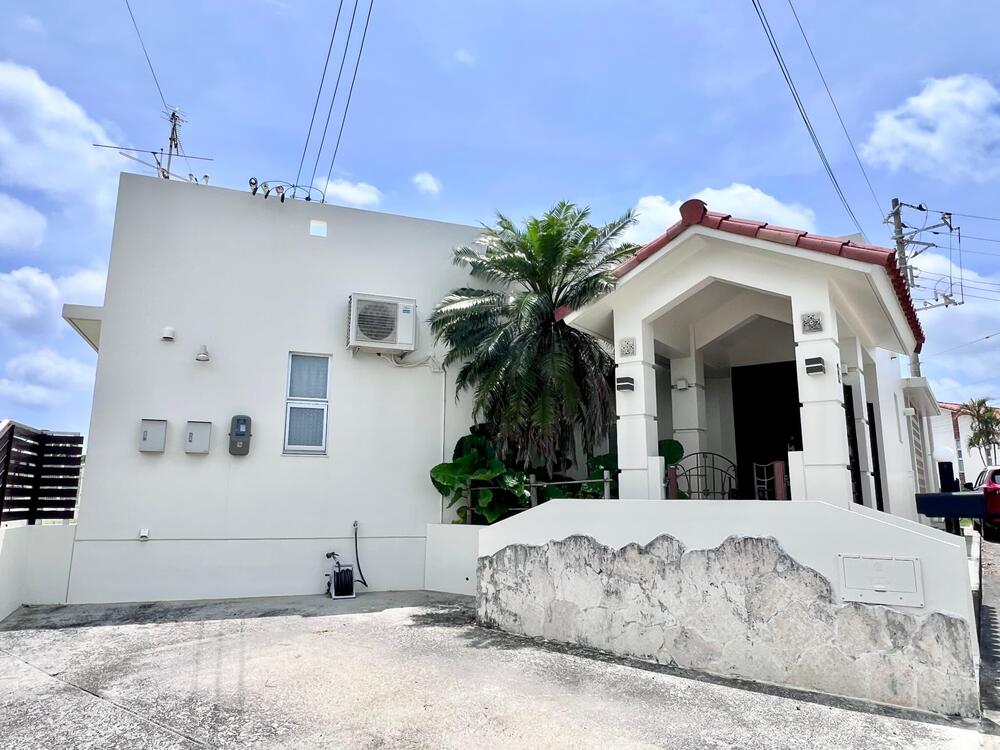
-Your Direct Path to Owning Property in Okinawa-
As SOFA Status Personnel stationed in Okinawa, you know the island offers a unique investment opportunity. However, the biggest hurdle for members of the SOFA community is the inability to access conventional Japanese bank loans.
The solution is simple and direct: It is entirely possible to purchase Okinawan real estate through specialized local financing that operates completely outside the Japanese banking system. This means you can secure your dream home or investment property using your stable SOFA income and OHA, without ever needing to qualify for a traditional mortgage.
This guide, presented by VILLA REALTY, details the alternative methods that make Okinawa homeownership a reality for you today.
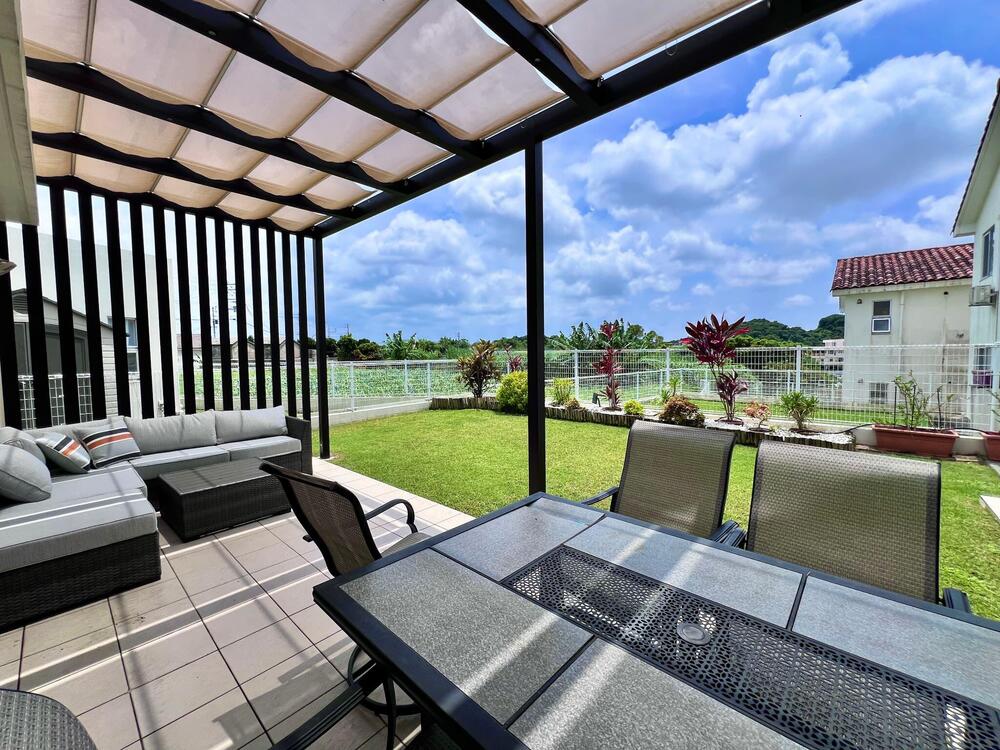
1. Strict Non-Resident Status Requirements
Japanese banks impose non-negotiable requirements for long-term residency (Permanent Residency or Japanese Citizenship) and established local credit history--criteria that SOFA Personnel generally cannot meet. Simply put: pursuing a Japanese bank loan is often dead-end.
Local Okinawan developers and specialized finance companies have created systems that focus on the stability of U.S. government-backed income (OHA), completely bypassing the need for a Japanese bank's approval.
|
Installment Sale (割賦販売) |
Japanese Bank Loan (銀行融資) |
|
|
Eligibility/Requirements |
Available to foreign nationals with SOFA status. Proof of repayment ability (e.g., stable income/OHA) is required. |
Available to Japanese nationals or foreign nationals with Permanent Residency. Must have an established Japanese residency (Juminhyo), income in Japan, and Japanese tax obligations. |
|
Source of Funds |
Seller (e.g., real estate developer) |
Financial Institution (e.g., Bank) |
|
Purchase Process |
Property is introduced through a real estate agent. Purchase is possible if income/financial requirements are met. |
Property is introduced through a real estate agent. Purchase is completed after a loan review/approval by the financial institution. |
|
Contract Type |
Direct Installment Payment Contract between the Buyer and the Seller (Developer). |
Financial Consumption Loan Contract between the Buyer and the Financial Institution. |
|
Payment Flow |
The Buyer pays the purchase price to the Seller directly in installments. |
The Buyer borrows the full amount from the financial institution and pays the Seller in a lump sum. The Buyer then repays the loan to the financial institution in installments. |
|
Typical Repayment Period |
Long-term (1 year or more), divided into two or more payments (can be freely set by contract). Average repayment period is 10 to 15 years. |
Long-term (e.g., 20 to 35 years). |
|
Resale |
In principle, resale is possible after the full repayment. If the owner returns to the U.S., they can choose to continue ownership and earn rental income by leasing the property. |
* (Not explicitly detailed, but usually requires full loan repayment or refinancing upon sale.) |
1. Installment Sale (Kappu Hanbai分割販売): The Non-Bank Method
This is not a traditional bank loan. It is a direct agreement where the buyer makes fixed, regular payments to the seller/developer over an agreed period. This simplifies the entire process by cutting out the complex bank application stage.
2. Key Strengths of the Private Scheme for SOFA Personnel
・No Japanese Bank Involvement: Achieve purchase without requiring any Japanese financial institution's approval.
・OHA-Centric Approval: The stable Overseas Housing Allowance (OHA) provided by the U.S. government is the foundation for repayment recognition.
・Faster and Easier: The approval process is significantly quicker and involves less bureaucracy than bank procedures.
Owning property in Okinawa is a smart financial move, especially given the continuous demand for off-base housing from the SOFA community.
1. High Investment Potential
・Reliable Rental Income: Purchased homes can be rented back to other SOFA Status Personnel or residents, generating a highly reliable source of passive income often exceeding property maintenance costs.
・Established Resale Market: Properties near bases (e.g., Chatan, Kadena, Rycom area) have a strong resale market within the SOFA community, providing a clear exit strategy when your tour of duty concludes.
・Moreover, considering possible exit opportunities allows for a more strategic approach to acquisition. Assessing whether the layout and floor plan could remain attractive to future service members or residents is highly recommended.
2. Essential Documentation
To prepare for the private acquisition scheme, you will need documentation that clearly demonstrates the stability of your income and SOFA status:
☑Proof of Income, W-2 (収入証明, 源泉徴収票)
☑OHA Verification (OHA証明)
☑U.S. Credit Report (米国の信用報告書)
☑Passport (パスポート)
☑SOFA ID (日米地位協定ID)
☑Down Payment (頭金) A down payment can improve terms.
・Chatan Condominium: 3 Bedrooms, 1 Bathroom - JPY58,000,000yen
・Ginowan Condominium: 3 Bedrooms, 1 Bathroom - JPY48,000,000yen
・Yomitan Detached House: 3 Bedrooms, 1 Bathroom - JPY58,000,000yen
・Kenekadan Detached House: 3 Bedrooms, 2 Bathrooms JPY63,000,000yen
VILLA REALTY is not just a real estate broker; we are the essential local partner connecting you directly to the specialized financing and property developers who make this unique transaction possible.
We Guarantee Access to Non-Bank Solutions
・Direct Access: We eliminate the frustrating search for compliant lenders by providing direct access to Okinawan enterprises specializing in SOFA installment sales.
・Seamless Process: Our bilingual team manages all local contracts and documentation, ensuring the acquisition scheme aligns perfectly with both local laws and your U.S. financial standing.
You do not need Japanese bank financing to own property in Okinawa. The path is clear, utilizing the stability of your SOFA income and the specialized non-bank solutions we facilitate.
Contact VILLA REALTY today to connect directly with the acquisition schemes designed specifically for the SOFA community.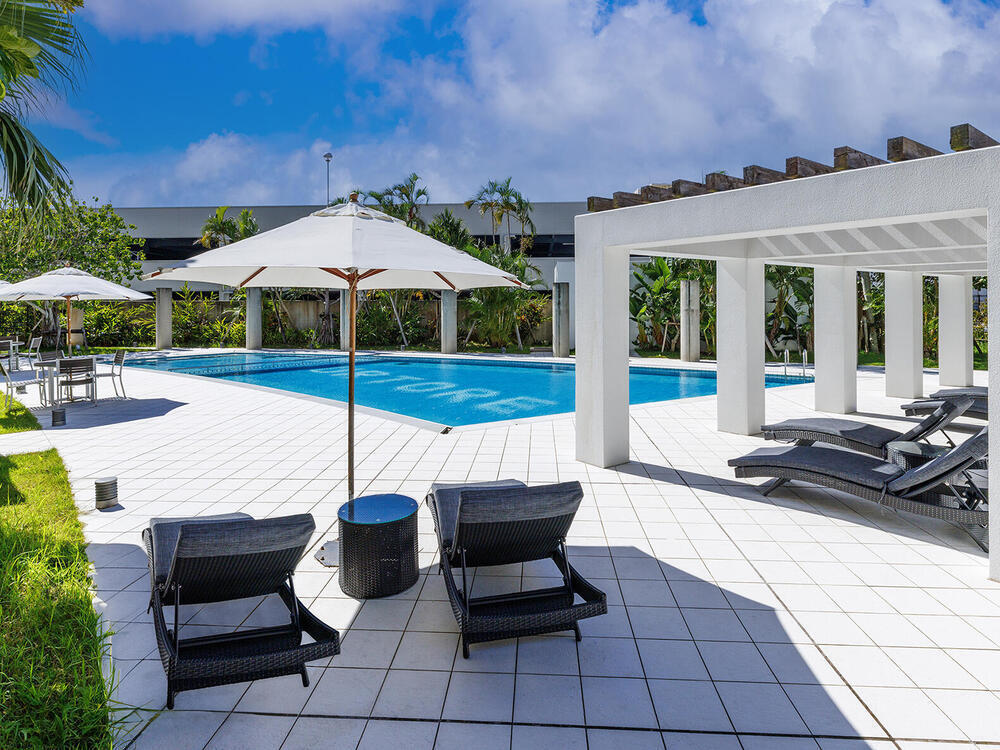
Contact Us for Direct Acquisition Solutions
We also have numerous off-market properties not listed on our website. If you let us know your desired conditions (area, budget, etc.), we will propose the most suitable properties for you from our latest listings. Please feel free to contact us first!
VILLA IMG
Hotline: +81-98-869-3575
Email: infovilla@villa-realty.com
(Language: Japanese, English, Vietnamese)